Is Renewable Energy the Missing Link in the Air Pollution Debate?

Key Takeaways
- Fossil fuel–based power generation is a major driver of both air pollution and climate change.
- Renewable energy reduces toxic air pollutants while cutting carbon emissions.
- Rapid growth in solar and wind shows clean energy can meet rising electricity demand.
- Delaying the energy transition worsens health costs, pollution and climate risks.
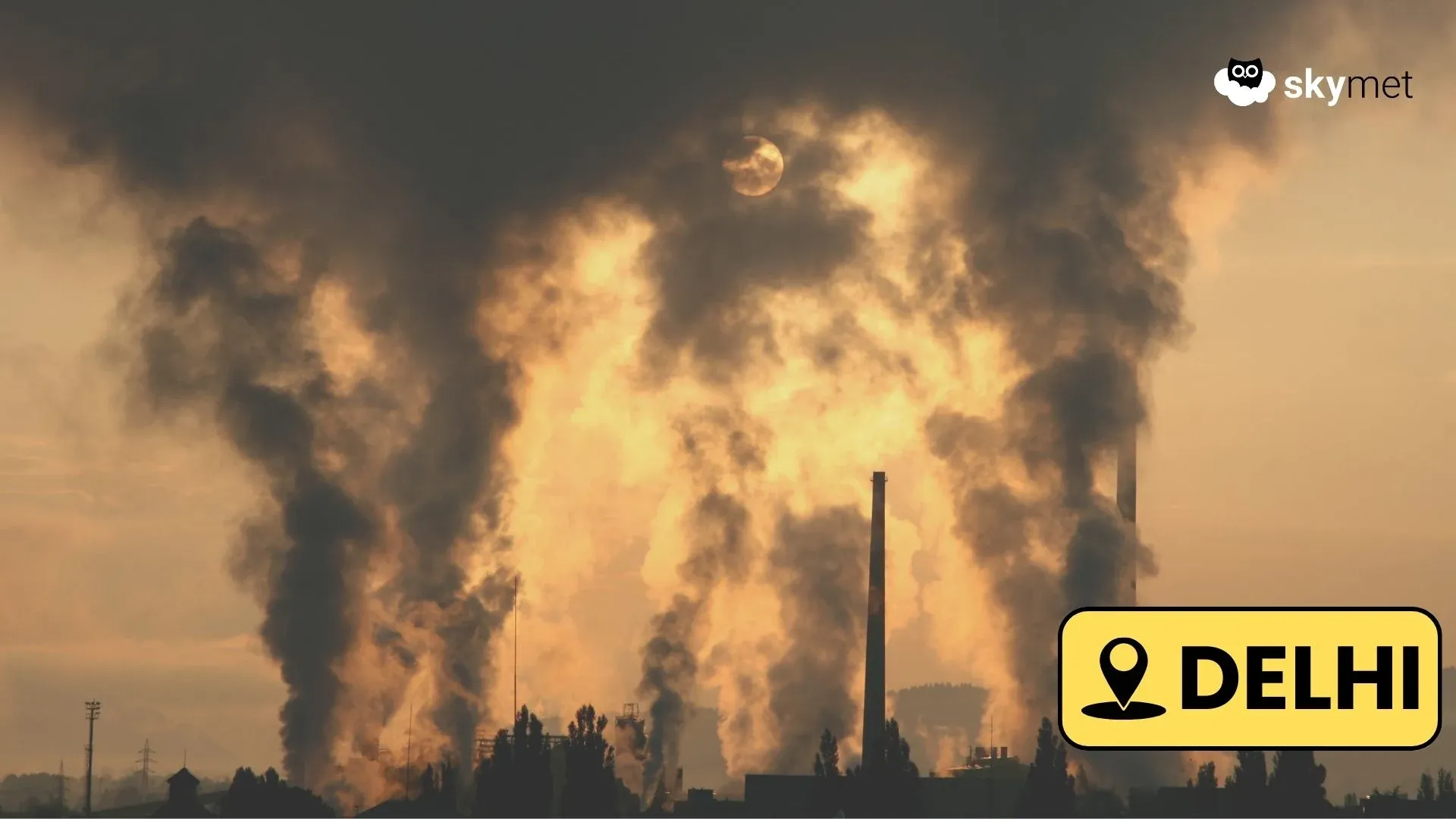
As rising AQI levels push air pollution into daily headlines across the country, one crucial question remains largely unasked: how our choices on energy production are shaping the air we breathe. Fossil fuels do not just warm the planet; they quietly turn everyday air into a health hazard. Treating climate change and air pollution as separate crises has cost us time, lives and money. The truth is simpler, and harder to ignore: solving one requires confronting the other.
In 2023, the power sector emerged as the world’s largest source of greenhouse gas emissions. Nearly 60% of global electricity still comes from fossil fuels, releasing carbon dioxide, fine particulate matter and nitrogen dioxide, pollutants that scar lungs, strain hearts, and shorten lives. According to the World Health Organization, 99% of the global population breathes air that exceeds safe limits, contributing to around 7 million premature deaths every year. This is not collateral damage; it is the direct outcome of how energy is generated.
The science leaves little room for debate. To avoid the most dangerous climate impacts, global emissions must be cut by almost half by 2030 and reach net zero by 2050. That target is unattainable without a decisive move away from coal, oil and gas. Every delay in the energy transition locks in higher emissions and dirtier air.
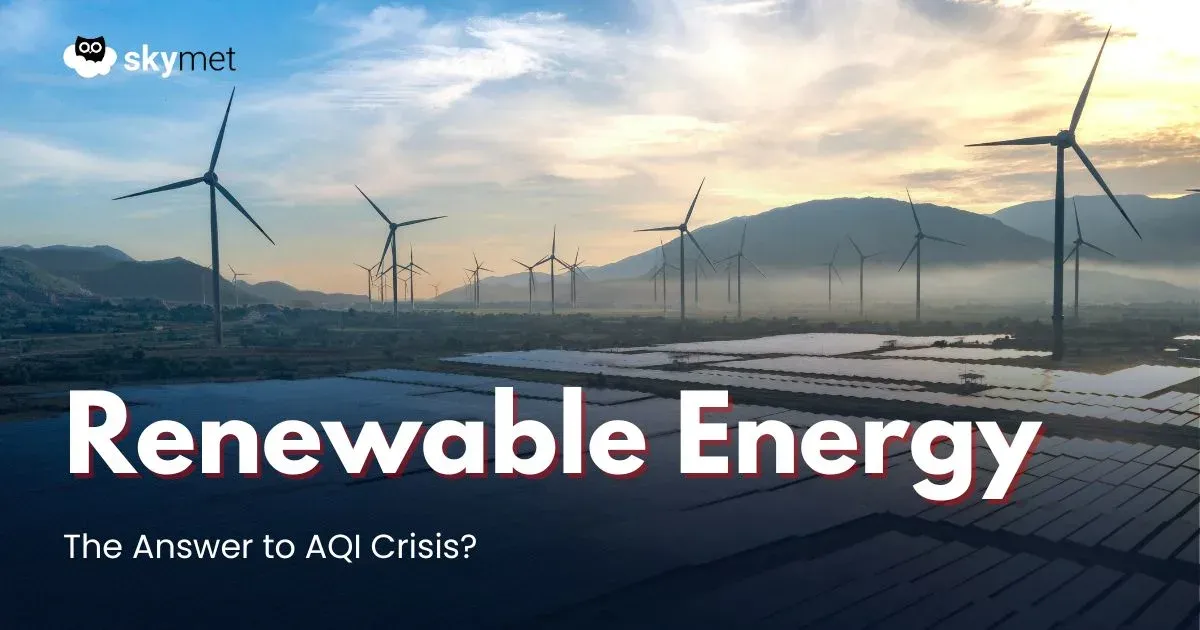
Renewable energy changes this equation. Solar, wind, hydro, biomass and geothermal power produce electricity with little to no air pollution. Their climate advantage is well known, but their health benefit is just as critical. By reducing fossil fuel combustion, renewables directly cut smog, haze and toxic particulate pollution, easing a public health burden that costs the global economy more than $8 trillion each year.
The transition has begun, but not at the speed required. Between 2015 and 2024, renewable electricity capacity grew by about 2,600 GW—a 140% increase—while fossil fuel capacity rose just 16%. In the first half of 2025, renewable energy overtook coal as the world’s largest source of electricity generation for the first time. Solar alone met more than 80% of the growth in global electricity demand. These are not symbolic gains; they show what is possible when policy, investment and technology align.
Country-level trends: China, India, US and Europe
Countries that moved fastest are already seeing the benefits. China and India expanded solar and wind at a pace that allowed them to curb coal and gas use even as electricity demand rose. China reduced fossil-fuel generation by about 2%, while India’s renewable additions helped offset slower demand growth. In contrast, parts of the US and Europe slipped backwards, relying more on fossil fuels due to weaker renewable growth and poor wind and hydropower performance, bringing pollution back into the energy mix.
Cost is no longer a valid excuse. More than 90% of new renewable projects are cheaper than fossil fuel alternatives. Solar power costs have fallen by nearly 100% since the 1970s, enabling explosive growth across Africa and South Asia. Pakistan imported solar panels equivalent to one-third of its electricity capacity in 2024 alone. For countries battling unreliable grids and hazardous air quality, clean energy offers immediate relief.
Economic growth and employment from clean energy
The economic argument is equally compelling. Clean energy attracted about $2 trillion in investment in 2024—$800 billion more than fossil fuels—and drove roughly 10% of global GDP growth in 2023. Renewable energy already employs more people than the fossil fuel sector, and the transition to net zero could create more than 30 million jobs by 2030.
Still, the gap between ambition and action remains wide. Global renewable capacity additions hit a record 582 GW in 2024, yet meeting the COP28 goal of tripling renewables by 2030 requires annual additions of over 1,100 GW—a benchmark set by IRENA and endorsed through the COP28 consensus process. Energy efficiency improvements are also lagging far behind what is needed to keep the 1.5°C target alive.
The conclusion is unavoidable. Renewable energy is not just a climate solution; it is a public health intervention. Every solar panel and wind turbine replaces a source of toxic emissions. Every year of delay deepens pollution, illness and long-term costs.
Cleaner power means cleaner air, fewer hospital visits, lower health expenditures and more resilient economies. The faster we act, the sooner cities can breathe easier, and the closer we move toward a safer, more livable future.