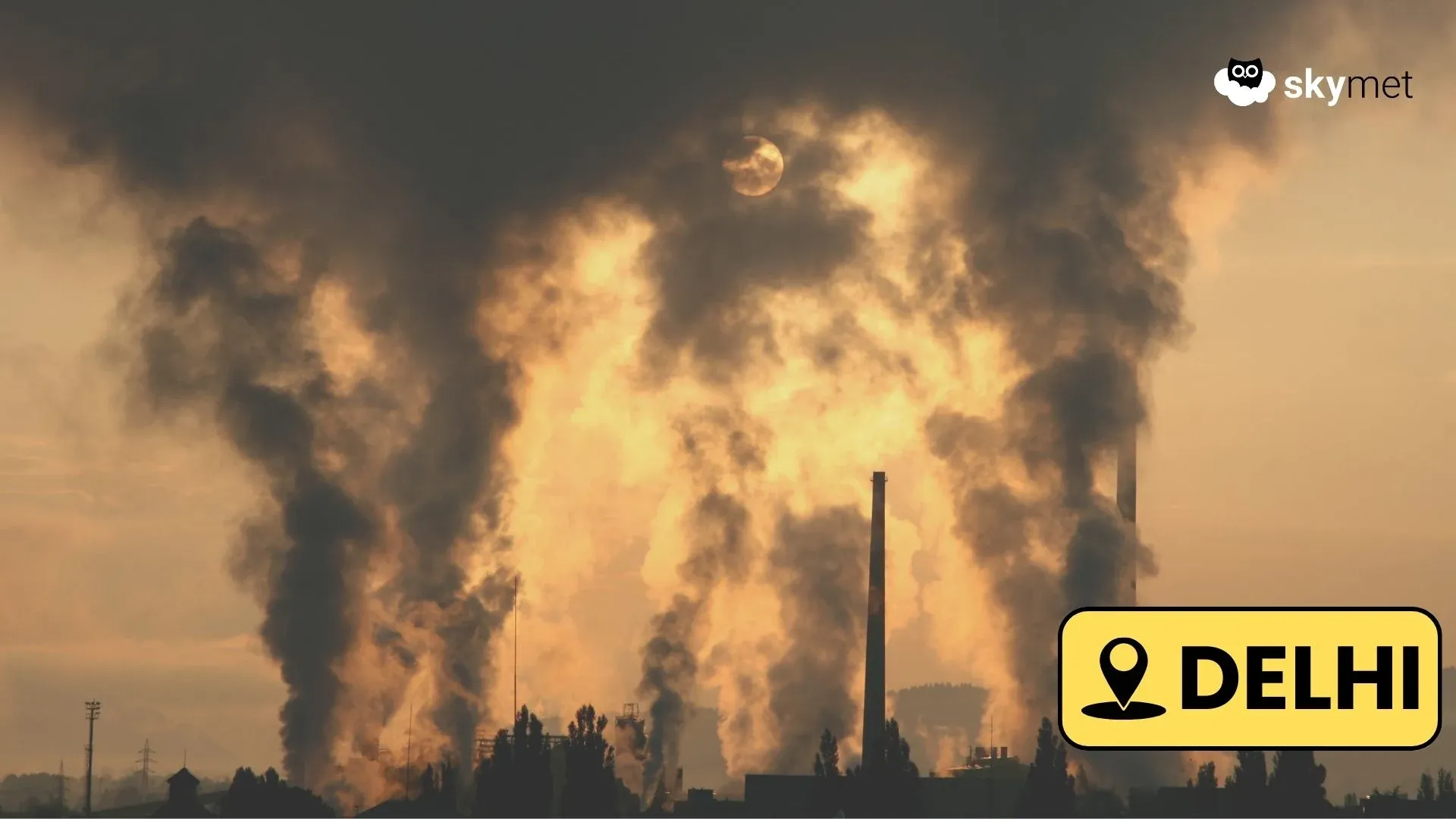
Delhi AQI Improves Marginally, Moves From “Severe” to “Very Poor”


INSAT-3DS High-Level Wind Analysis | December 17, 11:30 AM IST
Delhi’s air quality, which had slipped into the severe category on December 15, has shown a marginal but noticeable improvement following a change in meteorological conditions. Between December 13 and 14, wind speeds across the region remained light, variable and, at times, nearly calm. During this period, winds predominantly blew from the east and southeast, leading to a rise in humidity levels.
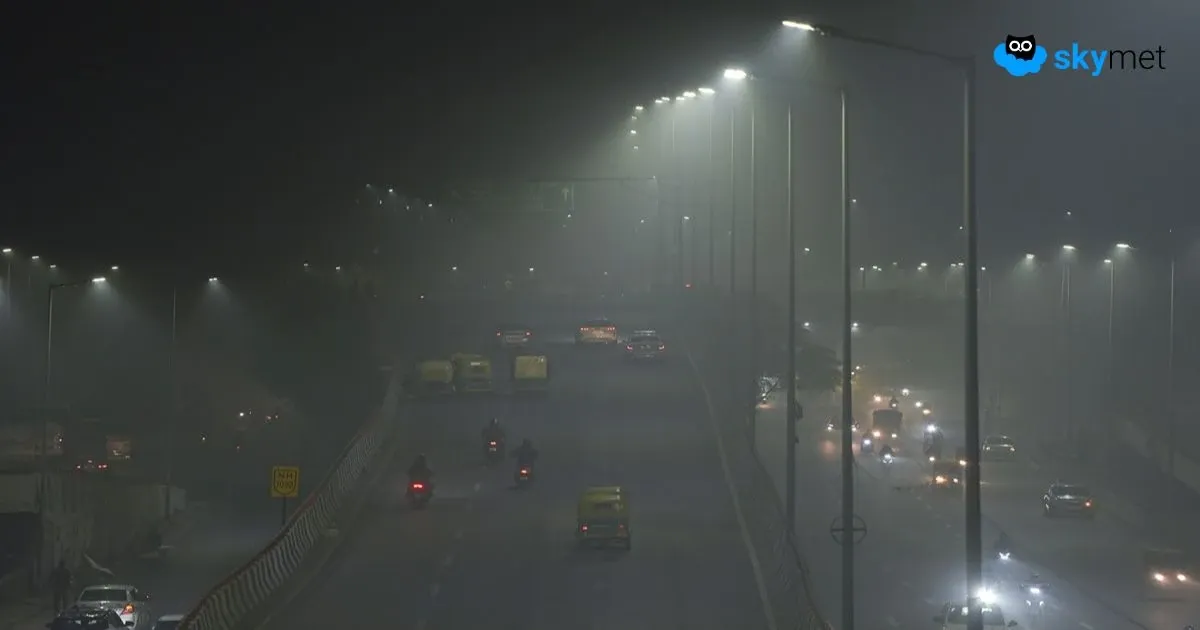
The combination of low wind speed, high humidity and falling temperatures created ideal conditions for dense fog formation. Pollutants released from various sources became trapped near the surface and mixed with water vapour within the fog layer, resulting in persistent smog and a sharp deterioration in air quality.
Conditions began to improve on December 16 as wind speeds picked up and the wind direction shifted to west and west-southwest. This change helped reduce humidity levels, allowing better dispersion of pollutants. As a result, fog intensity thinned and air quality started to show signs of recovery.
On December 17, Delhi’s AQI dropped to 328, placing it in the very poor category, compared to 498 a day earlier, which was firmly in the severe range. Forecasts indicate that wind speeds are likely to remain moderate over the next two to three days, supporting further—though limited—improvement in air quality.
As per AQI classification, values between 0–50 are considered good, 51–100 satisfactory, 101–200 moderate, 201–300 poor, 301–400 very poor, and 401–500 severe. Despite the recent improvement, air quality across Delhi and NCR is expected to largely remain in the very poor category, with some pockets occasionally touching the upper end of the poor range.
From a meteorological perspective, two factors play a crucial role in significantly improving air pollution levels: strong, sustained winds from a favourable direction or widespread rainfall. While no widespread rainfall is expected over the next 8 to 10 days, the presence of moderate winds may continue to provide intermittent relief, preventing a return to severe pollution levels in the immediate future.