Chillai Kalan To Become Bitter Around New Year: Freezing Conditions Likely

Key Takeaways
- Chillai Kalan marks the coldest and most impactful phase of Kashmir’s winter.
- A western disturbance is set to trigger snowfall and rain from Dec 30 to Jan 1.
- Minimum temperatures will plunge sharply across the Valley after Jan 2.
- Cold wave conditions may spill into North Indian plains.
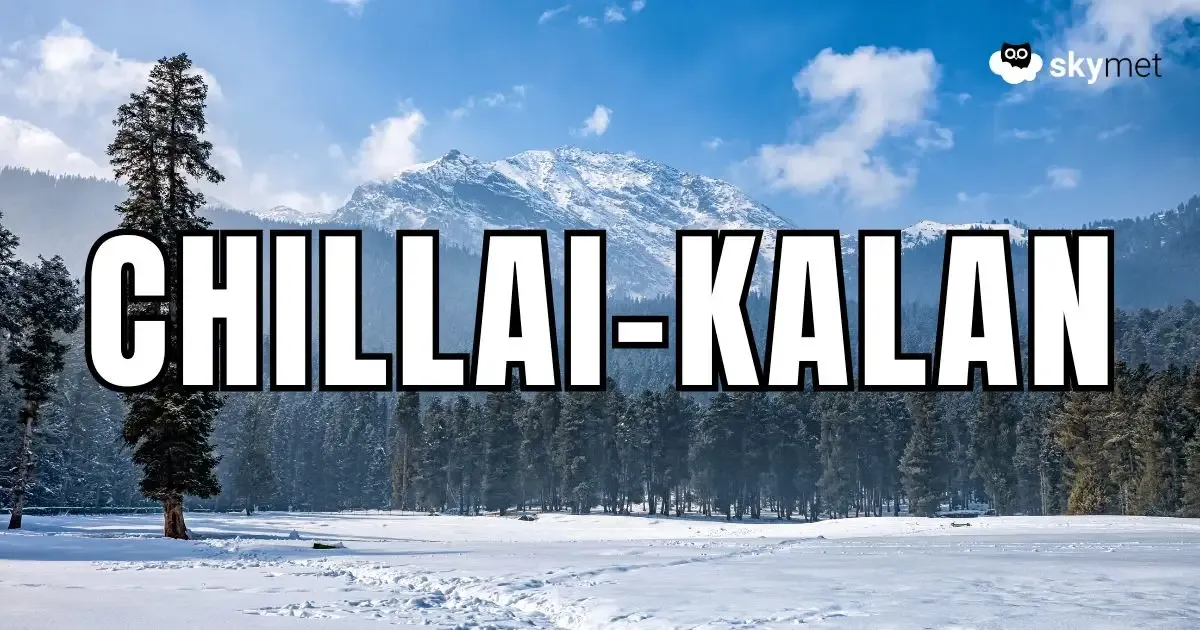
‘Chillai Kalan’ is the harshest phase of Kashmir’s winter, spanning from December 21 to January 31. This period traditionally brings intense cold, sub-zero temperatures and heavy, blanketing snowfall across the Valley. Though harsh, this interval is a welcome phase for replenishing water resources and boosting tourism. Any delay impacts visitor footfall and the ecological balance of the region adversely.
Srinagar, Pahalgam and Gulmarg are the chief destinations for vacationers. This spell also prepares the region for upcoming seasonal winter games, scheduled later during January–February. Chillai Kalan holds climatic as well as cultural and social significance for the region. It is followed by ‘Chillai-Khurd’ (20 days) and ‘Chillai Bachha’ (10 days), which are relatively less cold.
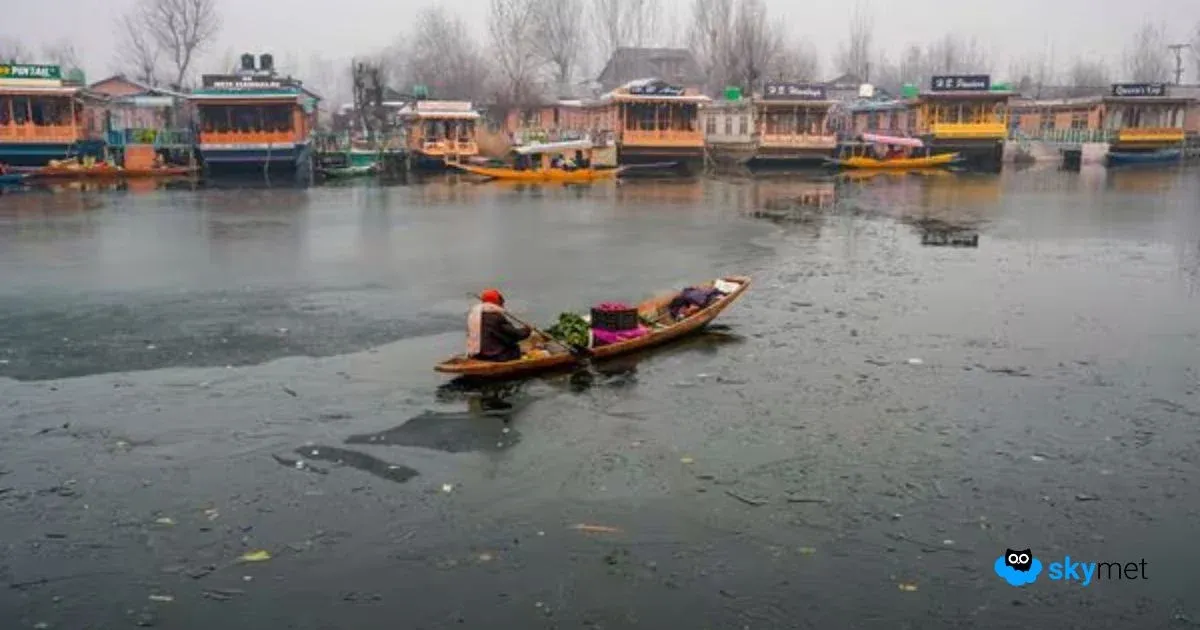
Chillai Kalan is expected to turn oppressive anytime soon. A western disturbance is present over the Western Himalayas, impacting the mountains as well as the adjoining plains. The sky has already turned overcast over Srinagar, Awantipore, Pahalgam and Gulmarg. Foothill regions such as Jammu, Udhampur and Katra have been draped in thick fog ahead of the main system. Weather conditions are likely to become stringent from tomorrow onwards.
Weather activity in the form of snowfall over the hills and rain over the foothills and plains is expected between December 30 and January 1. Winter conditions will be ripe and ideal during the New Year festivities, both for locals and visitors.
In the wake of this weather system, winter chill will turn bitter and searing from January 2 onwards. Minimum temperatures are expected to plunge across the Valley. The capital city Srinagar is likely to dip further from its earlier seasonal low of –4.5°C. Mercury levels will turn brutal over the foothills and adjoining plains as well. Freezing temperatures over tourist resorts, coupled with layers of snow on the peaks, will send cold wave conditions cascading down the mountain slopes into the plains of North India.