ISRO Issues Alert: Powerful Solar Flares Threaten Indian Satellites and Communications

Key Takeaways:
- X8.1-class solar flare on Feb 1 is among the strongest in decades.
- Radio blackouts and navigation disruptions are the primary risks.
- Aditya-L1 is helping India monitor and forecast space weather.
- Public impact remains minimal, with only brief signal disturbances possible.
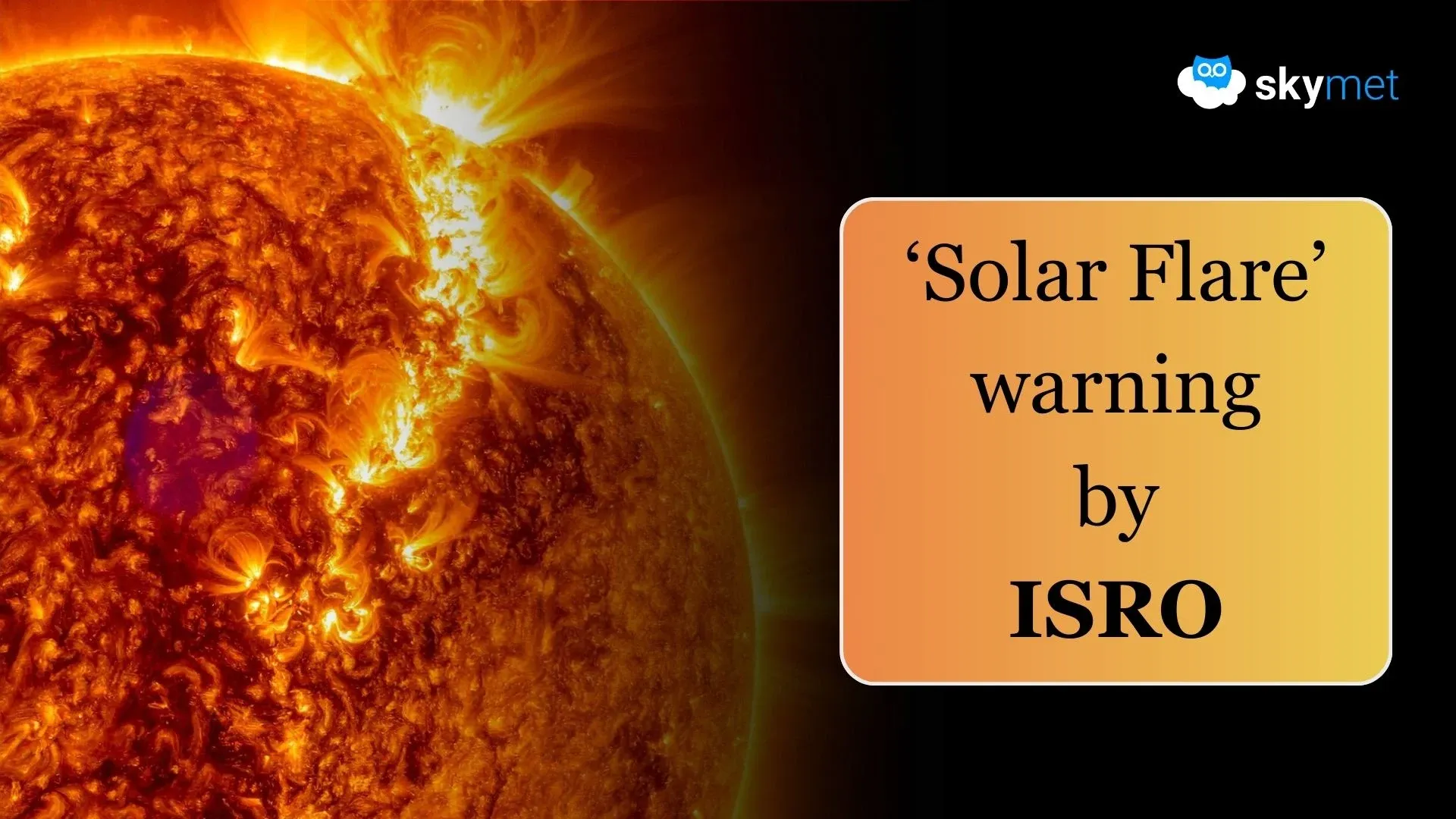
India's space agency ISRO has warned of strong radio blackouts following a barrage of intense solar flares from the Sun's Active Region 14366, peaking with an X8.1-class eruption on February 1, 2026—the strongest of the year and among the top since 1996.
What is a solar flare?
A solar flare is a sudden explosion of energy on the Sun's surface, driven by tangled magnetic fields in sunspots snapping and releasing radiation across X-rays, UV, and radio waves at light speed; they occur most during solar maximum, like now in Solar Cycle 25.
What we know about the timing:
• The Sun already erupted with multiple powerful solar flares on February 1 and 2, 2026, including extremely strong X-class events that triggered space weather alerts and warnings of possible radio blackouts and disruptions to communication systems.
• Activity continued with additional strong flares through February 3–4, 2026, as a large sunspot region (AR4366) kept releasing energy — and scientists are actively monitoring for further eruptions.
• Solar activity remains elevated now (early February 2026), meaning strong flares could still occur over the next several days as long as the active sunspot region faces Earth.
In simple terms: the flare events are not tied to a single future date — they began at the start of February and can continue unpredictably over the coming days or weeks while the active sunspot remains in view and unstable.
Scientists cannot predict the exact minute a specific flare will happen — the Sun is turbulent, and these bursts happen spontaneously when magnetic energy builds and releases. What agencies like ISRO and NASA can do is observe active regions and warn that heightened activity is ongoing and could cause space weather effects anytime in the near term.
So, the simple answer is this: the strongest flares have already occurred around February 1–4, 2026, and the situation is still active — meaning more flares could happen without a precise forecast window.
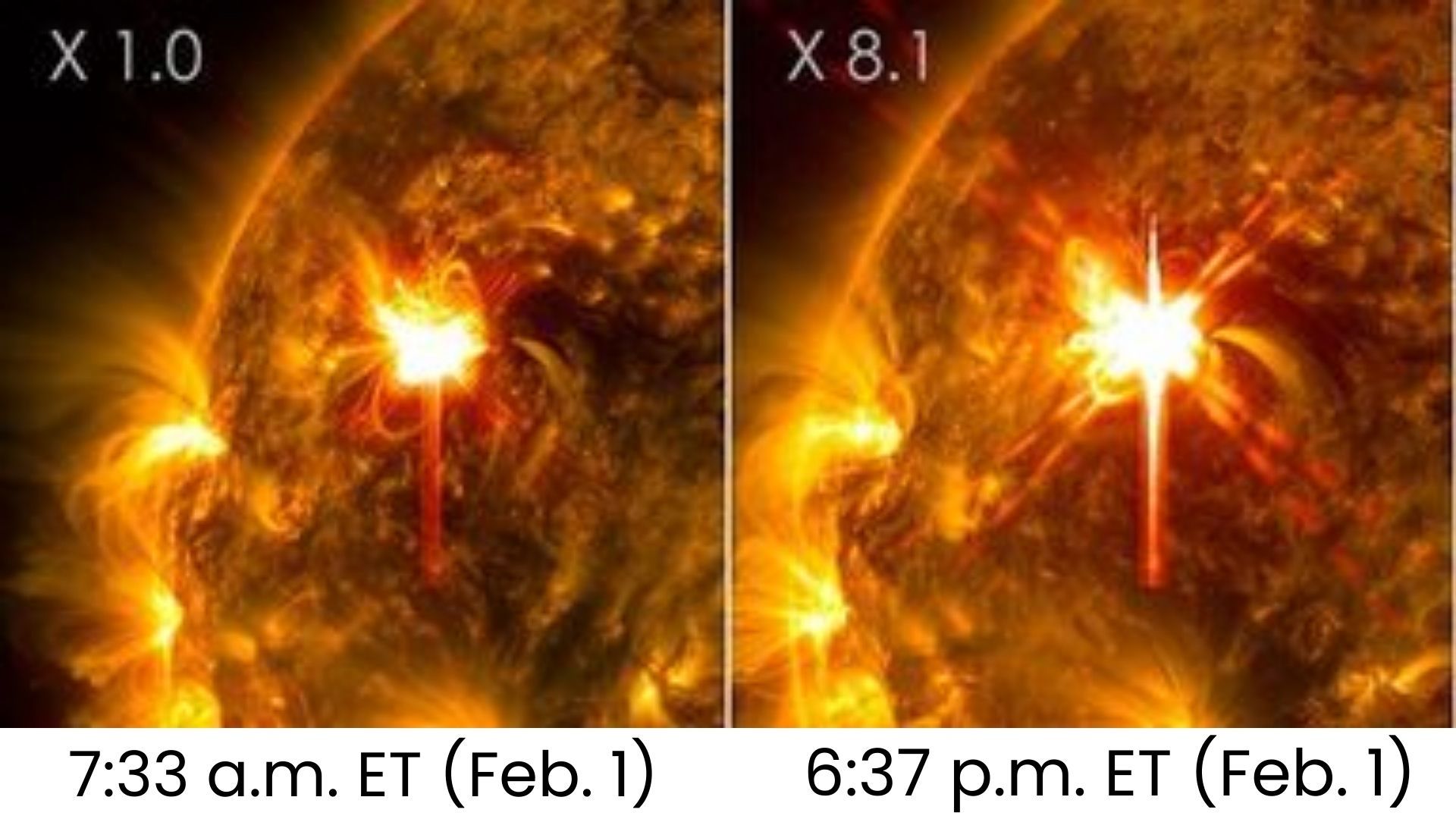
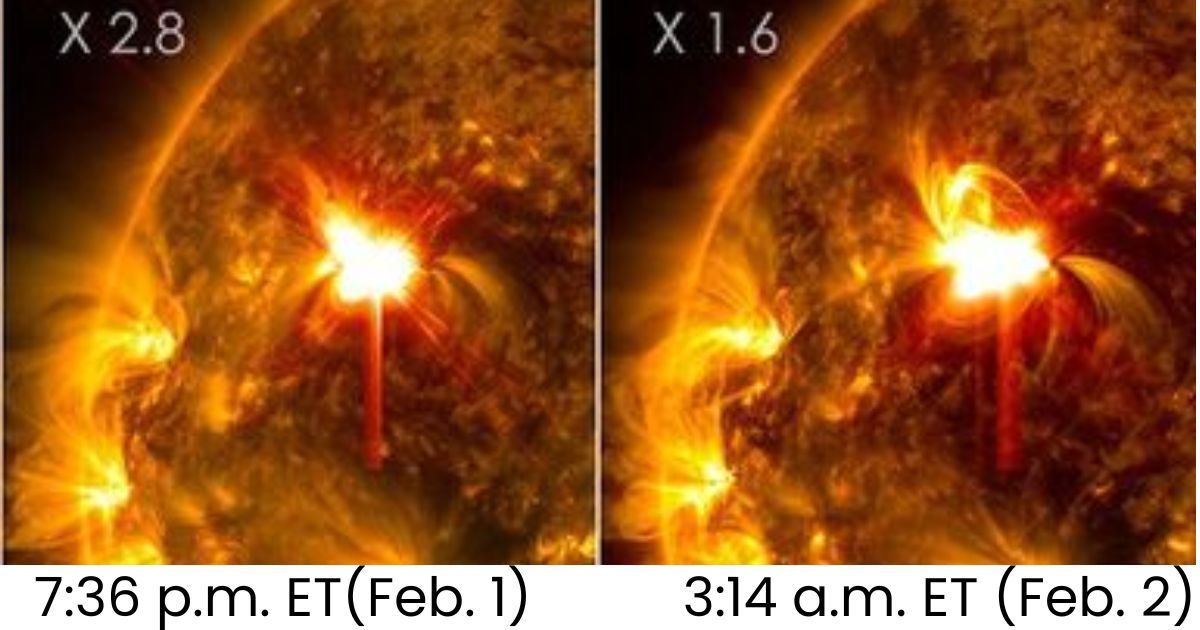
Images from NASA’s Solar Dynamics Observatory show consecutive X-class solar flares on February 1–2, 2026—classified X1.0, X8.1, X2.8, and X1.6—highlighting intense solar activity during Solar Cycle 25. (Courtesy: nasa.gov.in)
Scientifically, flares offer invaluable data on solar magnetism and plasma dynamics, helping missions like ISRO's Aditya-L1—positioned at L1 point—forecast space weather and shield assets; they reveal coronal heating mechanisms and particle acceleration, advancing predictions for geomagnetic storms.
These flares ionize Earth's upper atmosphere, disrupting HF radio, GPS accuracy, satellite signals, and aviation comms—potentially blacking out navigation for flights or fishing boats, though power grids and daily electronics remain safe as effects are mostly high-altitude. ISRO monitors over 50 satellites closely, with contingency plans ready; past events caused minor orbit decays but no major failures.
For everyday people, expect possible short radio/GPS glitches in polar or high-altitude regions, vivid auroras if coronal mass ejections (CMEs) follow—though current ones aren't strongly Earth-directed—and no direct health risks.
Experts say that most everyday technology will continue to function normally, but disruptions to communication and navigation systems are possible over the coming days if more flares and space weather disturbances are directed toward Earth. Monitoring by ISRO and international partners like NASA helps give advance warning, allowing operators to prepare and protect critical infrastructure.