Bihar, Jharkhand, West Bengal Remain Dry This Winter: No Rainfall Likely For Next Fortnight

Key Takeaways:
- Eastern states have remained almost completely dry throughout the winter season.
- Bihar, Jharkhand, and West Bengal show a 99–100% rainfall deficit since December.
- Western disturbances failed to reach eastern India despite improving rainfall elsewhere.
- Below-normal night temperatures and rising daytime temperatures are expected to continue.
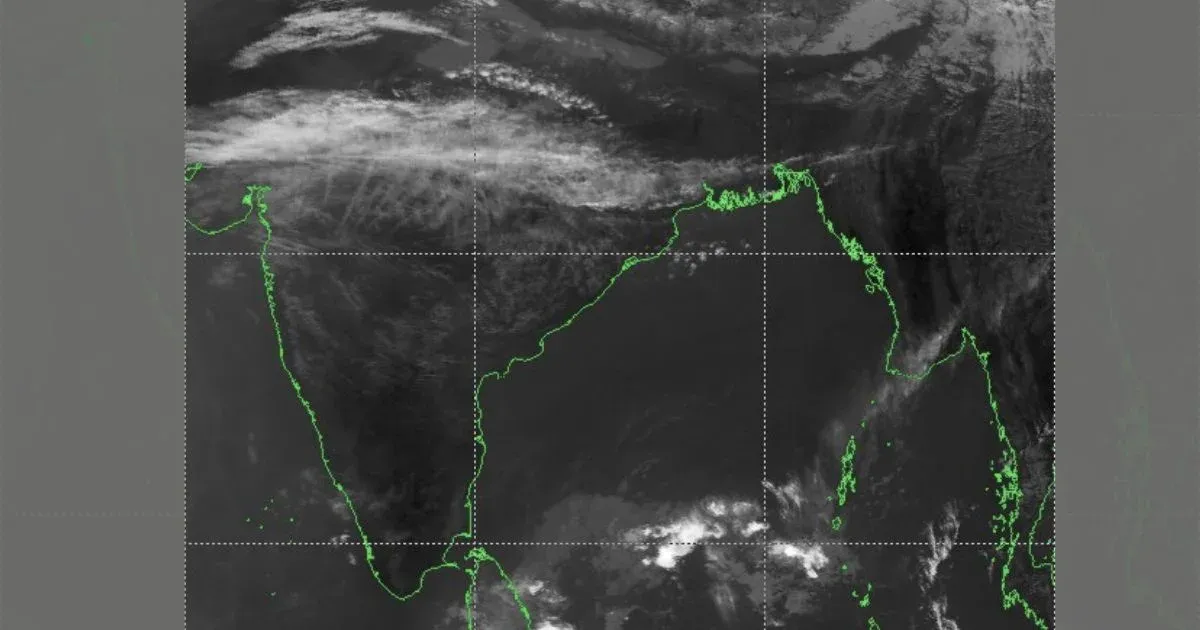
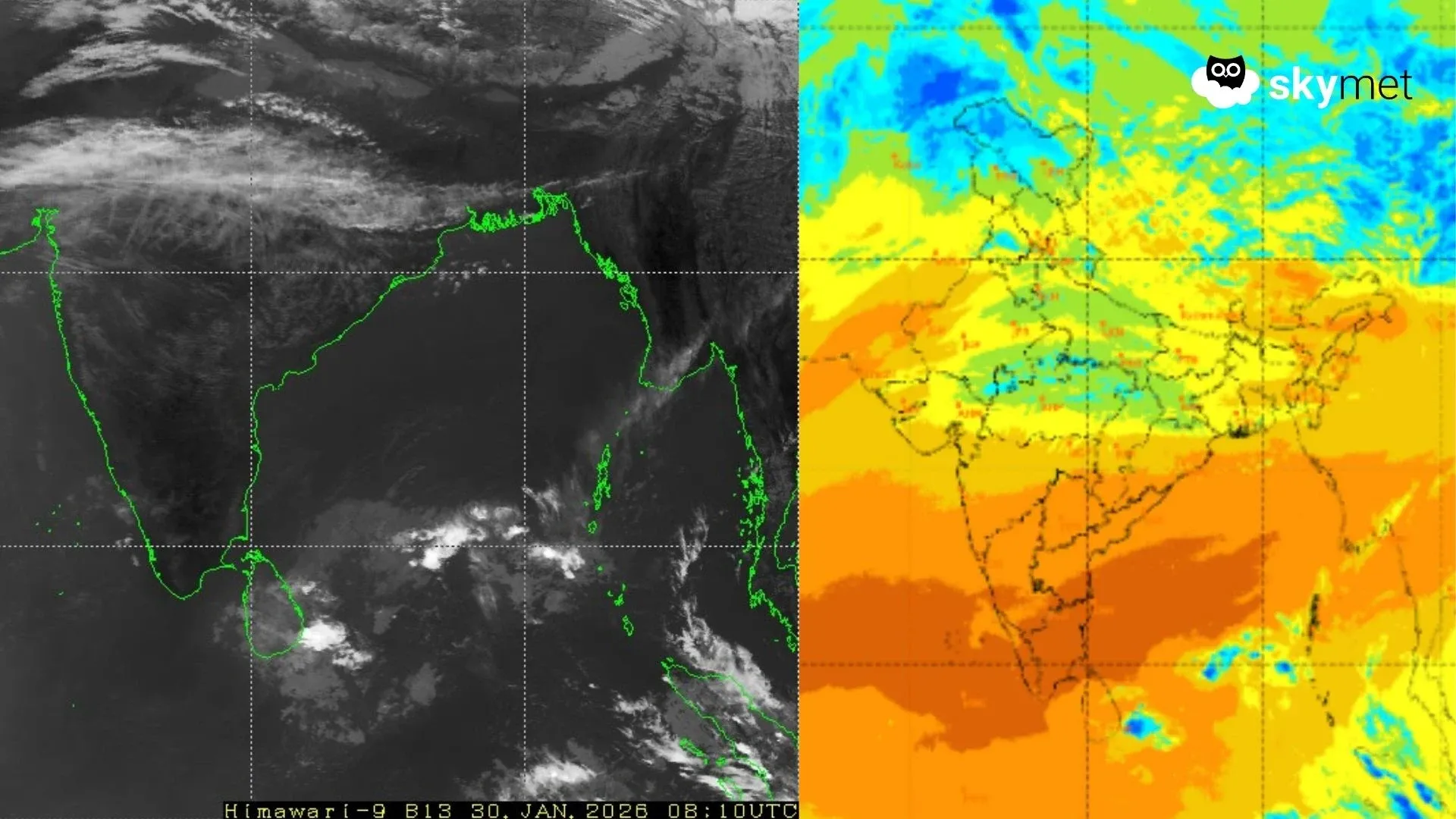
The eastern states of the country have remained completely dry during the winter season. Bihar, Jharkhand, and West Bengal recorded no rainfall during December 2025. The dry spell has continued through January 2026 as well, with these regions yet to receive any measurable rainfall. While February normally sees a substantial drop in rainfall over Bihar and Jharkhand, West Bengal usually continues to receive a fair amount of winter showers. However, between 1 December 2025 and 30 January 2026, all three states remain rain-deficient by 99–100%.
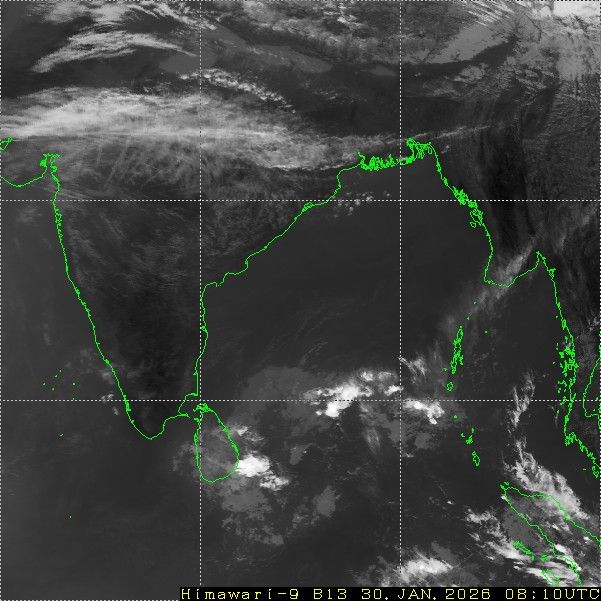
The northern plains also witnessed a significant scarcity of rainfall during December and up to the third week of January. The passage of western disturbances across the northern mountains and the formation of induced circulations over the plains helped reduce the deficit to some extent. However, these systems failed to penetrate deeper into East Uttar Pradesh and Bihar, leaving the entire eastern belt starved of winter rainfall. This prolonged dry spell is likely to continue.
The northern parts of the country are expected to witness another round of winter rain over the next three to four days. However, as seen earlier, these weather systems are likely to weaken and dissipate well before reaching the eastern states. Along with Bihar, Jharkhand, and West Bengal, Odisha and Chhattisgarh have also remained completely dry, with zero rainfall recorded so far in January. In the absence of rainfall, night temperatures are likely to remain below normal, while daytime temperatures may show a gradual rising trend.