World Environment Day 2026: Rising Temperatures And Nature’s Final Warning


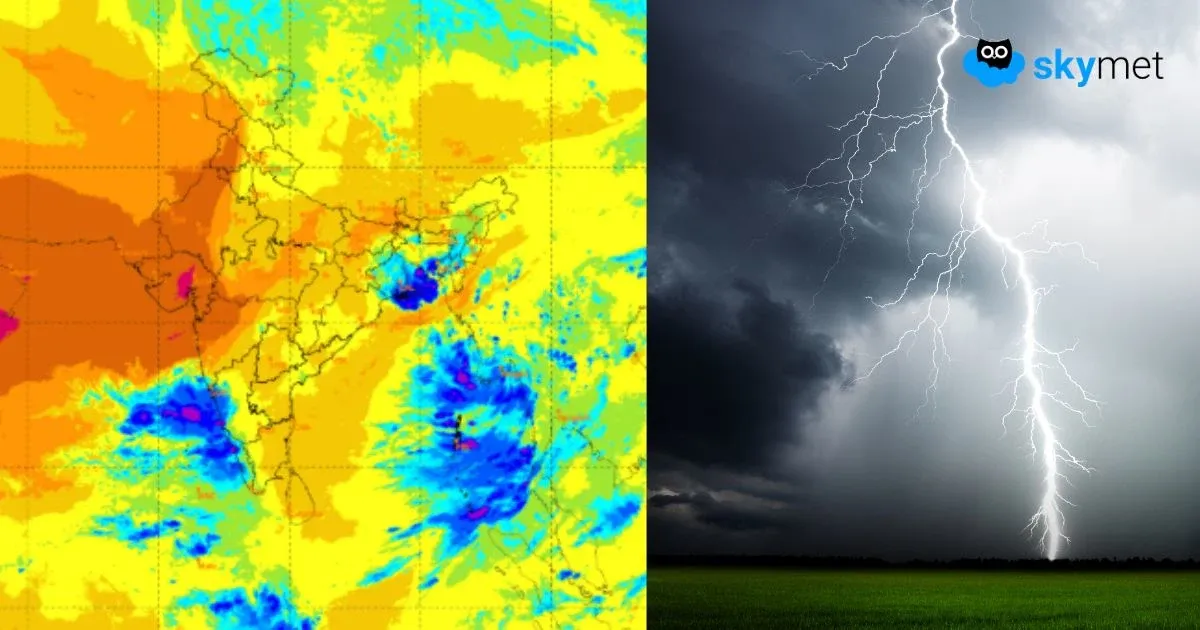
Representational Image: AI-Skymet
Key Takeaways:
- World Environment Day 2026 highlights the urgent need for climate action through nature-based solutions.
- India witnessed extreme heat conditions this summer, with several cities nearing 45°C.
- Climate change is increasing the frequency and intensity of heatwaves across South Asia.
- Forests, wetlands and mangroves remain critical tools in reducing climate impacts.
Every year, on June 5, World Environment Day arrives as a reminder, but in 2026, it has arrived as a warning. The United Nations Environment Programme (UNEP) has declared the theme for World Environment Day 2026 as "Inspired by Nature. For Climate. For Our Future." — with the campaign hashtag #NowForClimate. Hosted by Baku, Azerbaijan, this year's observance carries a message that is precise and urgent: the debate about whether climate change is coming is over. It is here. The only question left is how fast humanity responds, and how wisely it steers.
For India, this theme is not abstract. It is the temperature on your screen and the wait for the monsoon. This summer, on a single April day, all 50 of the planet's hottest cities were located in India. Cities such as Delhi, Churu and Nagpur have already recorded temperatures close to 45°C, while several others continue to approach dangerous heat thresholds.
This entire situation is threatening agriculture, drinking water, and rural livelihoods across the country. Climate scientists around the world have confirmed that human-induced climate change has roughly tripled the probability of extreme pre-monsoon heatwaves across South Asia. What were once considered rare anomalies are rapidly becoming the new normal, the baseline.
The theme "Inspired by Nature" carries a precise, science-backed argument: forests absorb carbon, wetlands buffer floods, mangroves shield coastlines, and urban trees lower temperatures. For India, whose Himalayan glaciers are retreating, whose coastal mangroves face mounting pressure, and whose cities are caught in worsening urban heat islands, nature-based solutions are not a soft option. They are among the most powerful and cost-effective climate tools available.
The past eleven years have been the hottest ever recorded globally. Skymet reads the atmosphere daily, and the data is telling us that the heatwave records, the rising overnight temperatures and shifting rainfall patterns are the final call from earth for us to start acting before it is too late.
World Environment Day exists because the planet needs witnesses and advocates, not just observers. This June 5, as India swelters and the world watches, the theme "Inspired by Nature. For Climate. For Our Future." stands as a statement of what we still have to protect and what we could lose if we do not act.
Trending: