Heavy Rain to Lash Western Himalayas: Landslide Threat Looms Over Jammu & Kashmir, Himachal Pradesh and Uttarakhand

Key Takeaways:
- Heavy to very heavy monsoon rainfall has affected Jammu & Kashmir, Himachal Pradesh and Uttarakhand.
- Seven people reportedly died in the Loran landslide, while Poonch’s wider rain-related toll rose to 17.
- Flash floods, landslides and debris flows have blocked roads and disrupted water and electricity services.
- Further heavy rainfall may keep the risk of landslides, flash floods and isolated cloudbursts elevated for 24 to 48 hours.
- Forecast Validity: Next 2 to 3 days
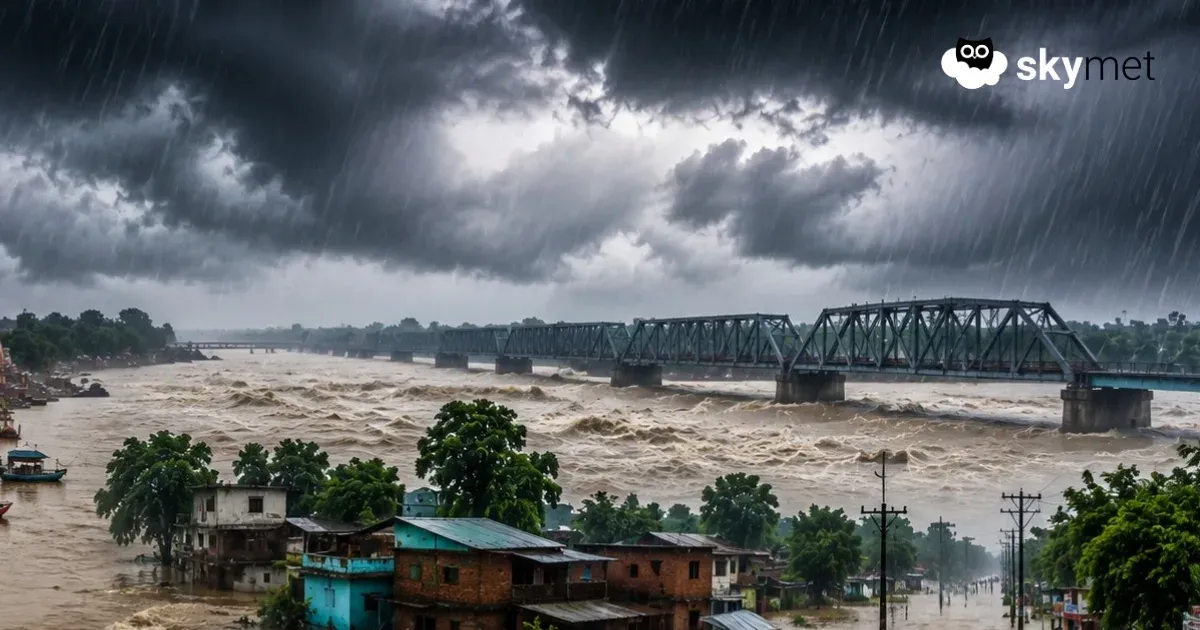
The southwest monsoon has once again become vigorous over the Western Himalayan region, unleashing heavy to very heavy rainfall across Jammu & Kashmir, Himachal Pradesh and Uttarakhand. The renewed monsoon activity has led to widespread damage, disruption of essential services and loss of lives in several parts of the region.
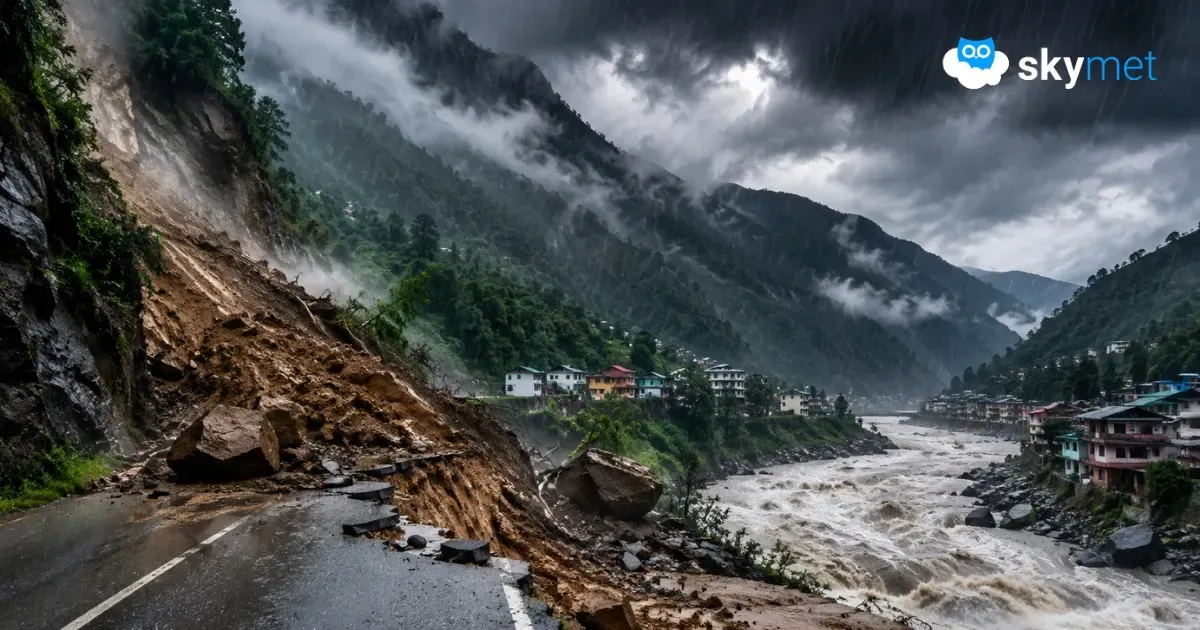
Jammu & Kashmir has been among the worst-affected areas. A major landslide struck a house in Loran village of Poonch district, reportedly claiming seven lives. With this incident, the overall rain-related death toll in Poonch reportedly rose to 17, underlining the increasing vulnerability of mountainous regions during periods of intense rainfall.
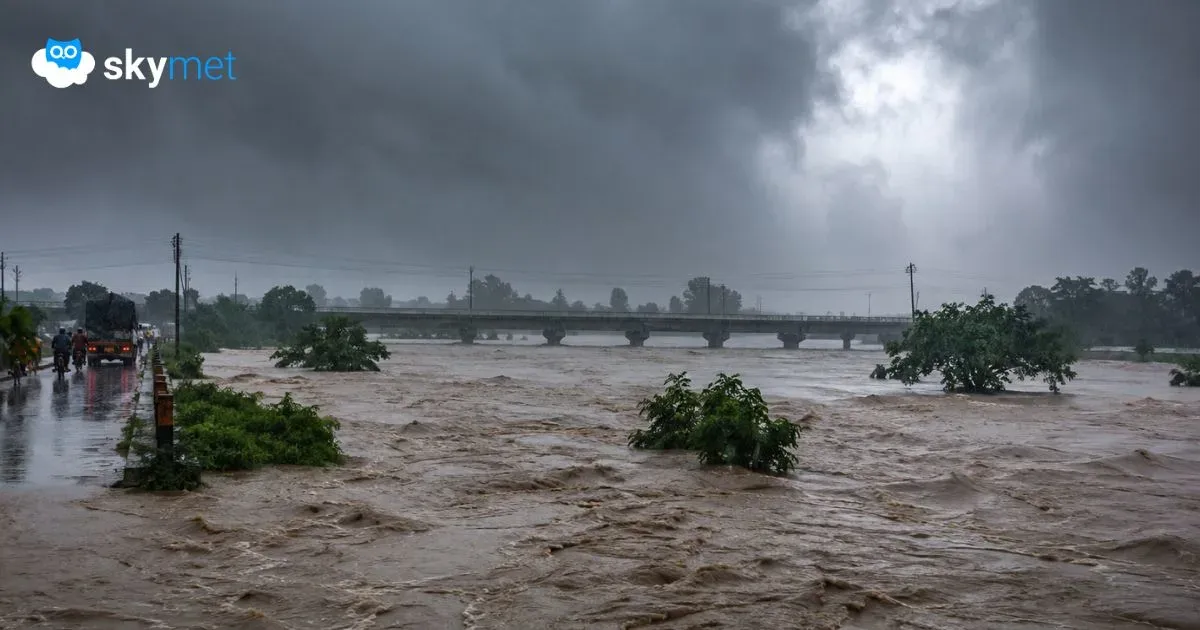
Himachal Pradesh has also witnessed incessant rain over the last few days. Heavy downpours have triggered flash floods and disrupted road connectivity, particularly in the Lahaul and Spiti districts. Several roads, water supply schemes and power distribution transformers have been affected due to torrential rain, disrupting essential services in parts of the state.
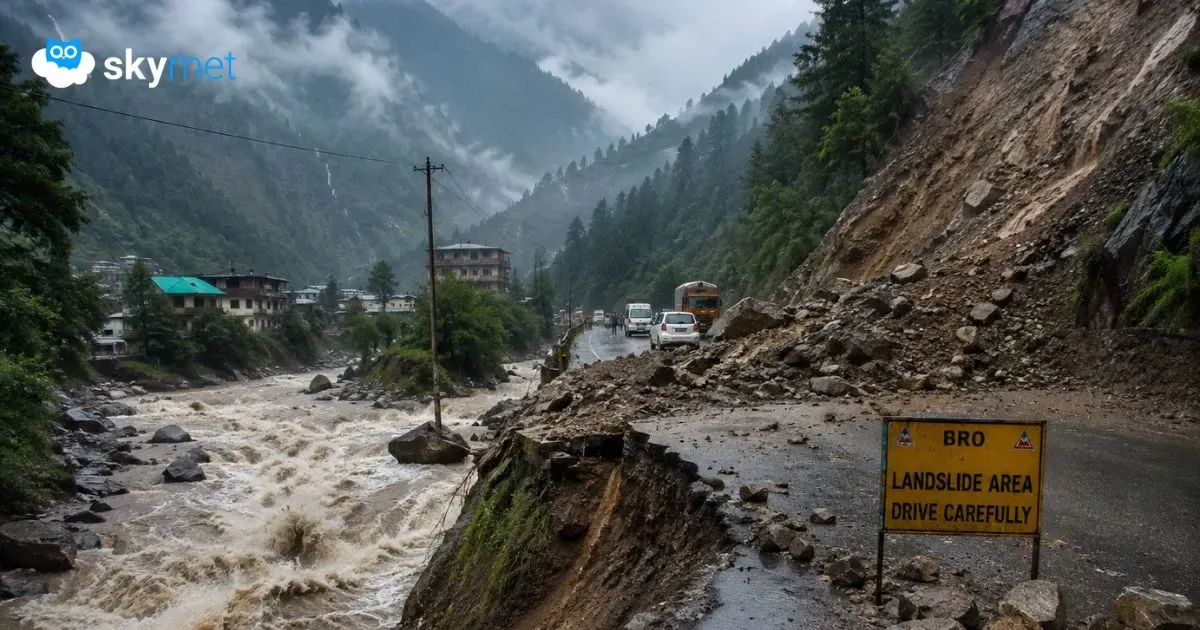
Uttarakhand continues to remain under the grip of adverse weather conditions. Two people reportedly lost their lives due to lightning strikes in Haridwar district. Landslides and debris flows have blocked nearly 84 roads, causing severe inconvenience to residents and tourists. Dehradun, Tehri, Pauri, Uttarkashi, Rudraprayag, Haridwar and Bageshwar are among the affected districts.
Meteorologically, the monsoon has become active due to enhanced moisture incursion from both the Arabian Sea and the Bay of Bengal, coupled with favourable upper-air conditions over the Himalayan region. The monsoon trough is also positioned close to the foothills, supporting persistent convective activity and intense rainfall episodes.
Weather models indicate that heavy to very heavy rainfall activity is likely to continue over the Western Himalayas during the next 24 to 48 hours. Therefore, the risk of landslides, mudslides, flash floods and isolated cloudburst events will remain elevated, particularly over vulnerable and steep terrain.
Residents, pilgrims and tourists are advised to exercise extreme caution. Unnecessary travel to landslide-prone areas should be avoided, while people living near rivers, streams and unstable slopes should remain alert and strictly follow advisories issued by local authorities.
With the monsoon expected to remain active, the Western Himalayan region may continue to witness weather-related disruptions over the next couple of days.
Trending: