Weak Monsoon Conditions For Mumbai: Decent rains unlikely During The week

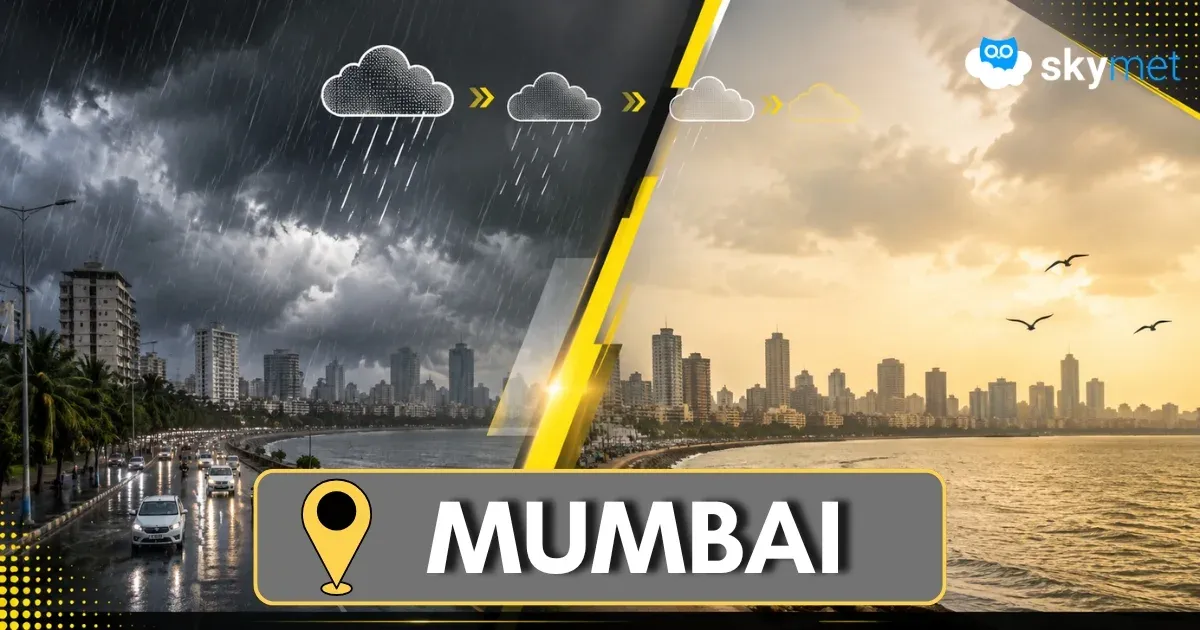
Representational Image: AI-Skymet
Key Takeaways:
- Mumbai received 1,140.4 mm rainfall in the first week of July, surpassing its monthly normal of 919.9 mm.
- Monsoon activity has almost completely ceased, with virtually no rainfall over the past four days.
- Weak offshore troughs and the absence of Bay of Bengal systems are suppressing rainfall across Mumbai.
- A meaningful revival of monsoon rains is unlikely before the middle of next week, at the earliest.
- Forecast Validity: Next 5 to 7 days.
Mumbai witnessed a deluge in the first week of July 2026. The city recorded 1,140.4 mm of rainfall, far exceeding its monthly normal of 919.9 mm. However, after this exceptional spell, the rains have virtually disappeared, with practically no rainfall recorded over the last four days. Weak monsoon conditions are expected to persist, and a meaningful revival appears unlikely over the next ten days or even longer.
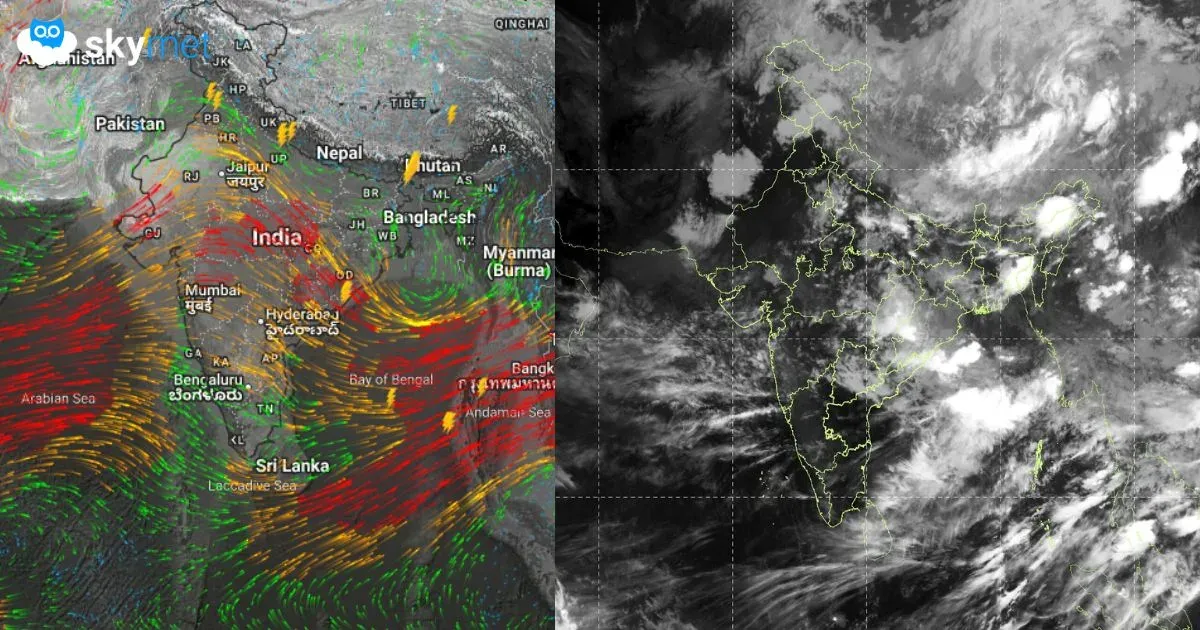
There are two primary triggers for monsoon rainfall over Mumbai: the offshore north-south trough along the Western Ghats and monsoon systems developing over the Bay of Bengal. At present, both remain nearly dormant. Additionally, the westerly monsoon flow across the Arabian Sea, which converges along the Konkan Coast, is rather weak and unlikely to strengthen anytime soon.
Climatologically, Mumbai is expected to experience warm and sultry weather without any significant rainfall. However, a persistent sea breeze, becoming stronger during the daytime, will provide some relief. Maximum temperatures are likely to remain in the lower 30s°C, while minimum temperatures will stay in the mid-20s°C.
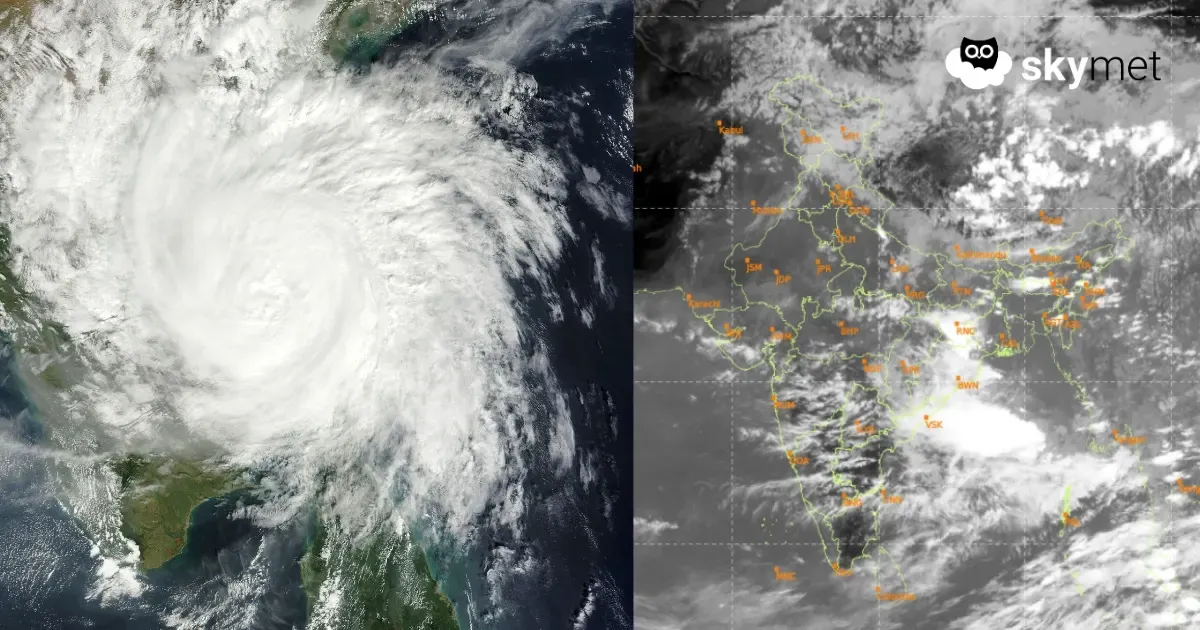
The rains are expected to revive only with the development of a fresh monsoon system over the Bay of Bengal. The earliest indications of such a development, if any, are not expected before the middle of next week. Such a prolonged dry spell during the monsoon season is rather unusual for Mumbai and may once again raise concerns over the recharge of water bodies, similar to the situation observed toward the end of June 2026.
Trending: